
“Let me begin with the things that touched me” | In the Palm of the Erotic
Everything I touch, touches me back.
As an artist, I feel as though I am perpetually seeking the next touch point: the origin of all things I create. The poems I write, the photographs I take, and the art I make are all born from that touchpoint—the place where the outside world extends its long arms and brushes against me, and I am transformed.
Although art is the product of a single consciousness, art-making does not exist separate from its environment. Biologist-philosopher Andreas Weber writes that being alive is an erotic process in which there is the constant transformation of the self through contact with others. We are all enmeshed with our ecosystems.
This world is not populated by singular, autonomous, sovereign beings. It comprises a constantly oscillating network of dynamic interactions in which one thing changes through the change of another. The relationship counts, not the substance. And to make this relationship possible, it is necessary that the two sides touch each other, that they nestle into one another, penetrate one another, grind themselves against each other. This is the fundamental erotic that constantly makes new things out of other things.
This column is an expansive exploration.
Of the erotic.
Of transformation.
Of interconnectedness.
Of the nature of things to glide and press and penetrate themselves into other things.
Here, I will document my footpath of art-making, archiving the things that pierced me and what was made as a result of that interaction.
Since turning forty a year ago, I have become more sensitive. Like a film speed with a high ISO, I more easily catch the grain of the everyday I co-exist in, in a way I did not or perhaps could not see before. This sensitivity has made me more open. I have become more eyes, more ears, more mouth, more palm. In the Palm of the Erotic is a field guide of this noticing. Let me begin with the things that touched me.
Touch List
Vedenā on film by Jessica Angima.
A trip to San Antonio in May to see my niece graduate.
My mother’s roses and agave plants in Atascosa, Texas.
Rio Bravo, México/Texas border, Big Bend National Park.
“June Leaf: Shooting From the Heart” at the Allen Memorial Art Museum in Oberlin, Ohio.
This was when the Net was Repaired by Eulalio Gonsález Martínez, Nayarit, Mexico, 20th century, Yarn on panel / Tabla de estambre at the San Antonio Art Museum.
Let Us Gather in a Flourishing Way at the Buffalo AKG Art Museum in Buffalo, New York.
“Lotioning My Mother’s Back” by Ama Codjoe from Bluest Nude (Milkweed Editions, 2022).
JOTA: A Queer Latina y Latinx Anthology (FlowerSong Press, 2026).
Tripas by Brandom Som (Georgia Review Books, 2023).
Guillotine: poems by Eduardo C. Corral (Graywolf Press, 2020).
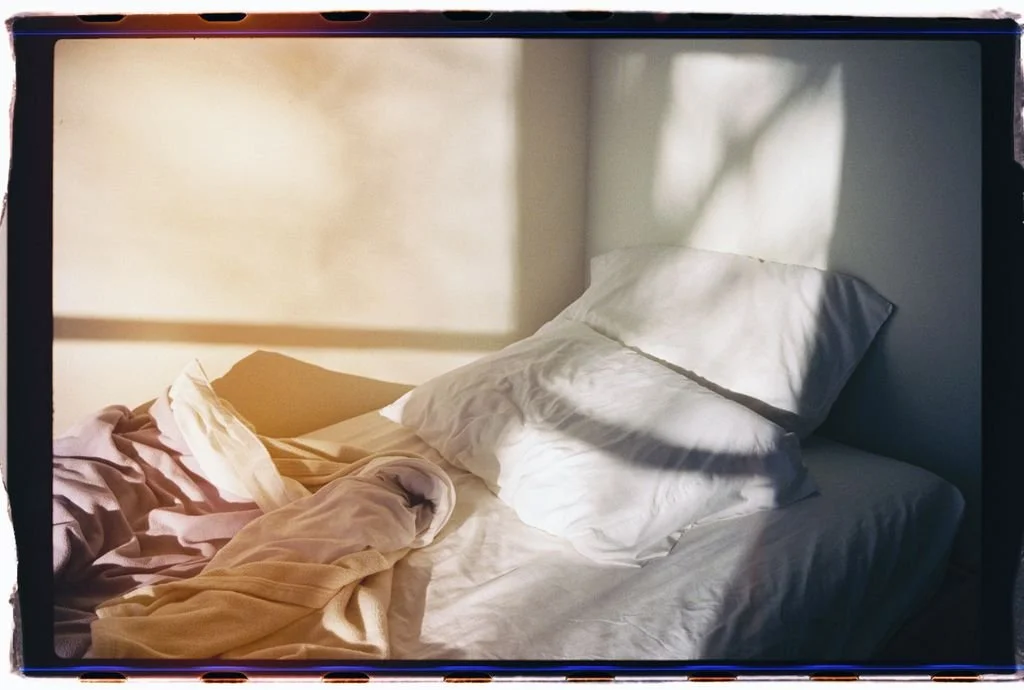
Vedenā on film by Jessica Angima
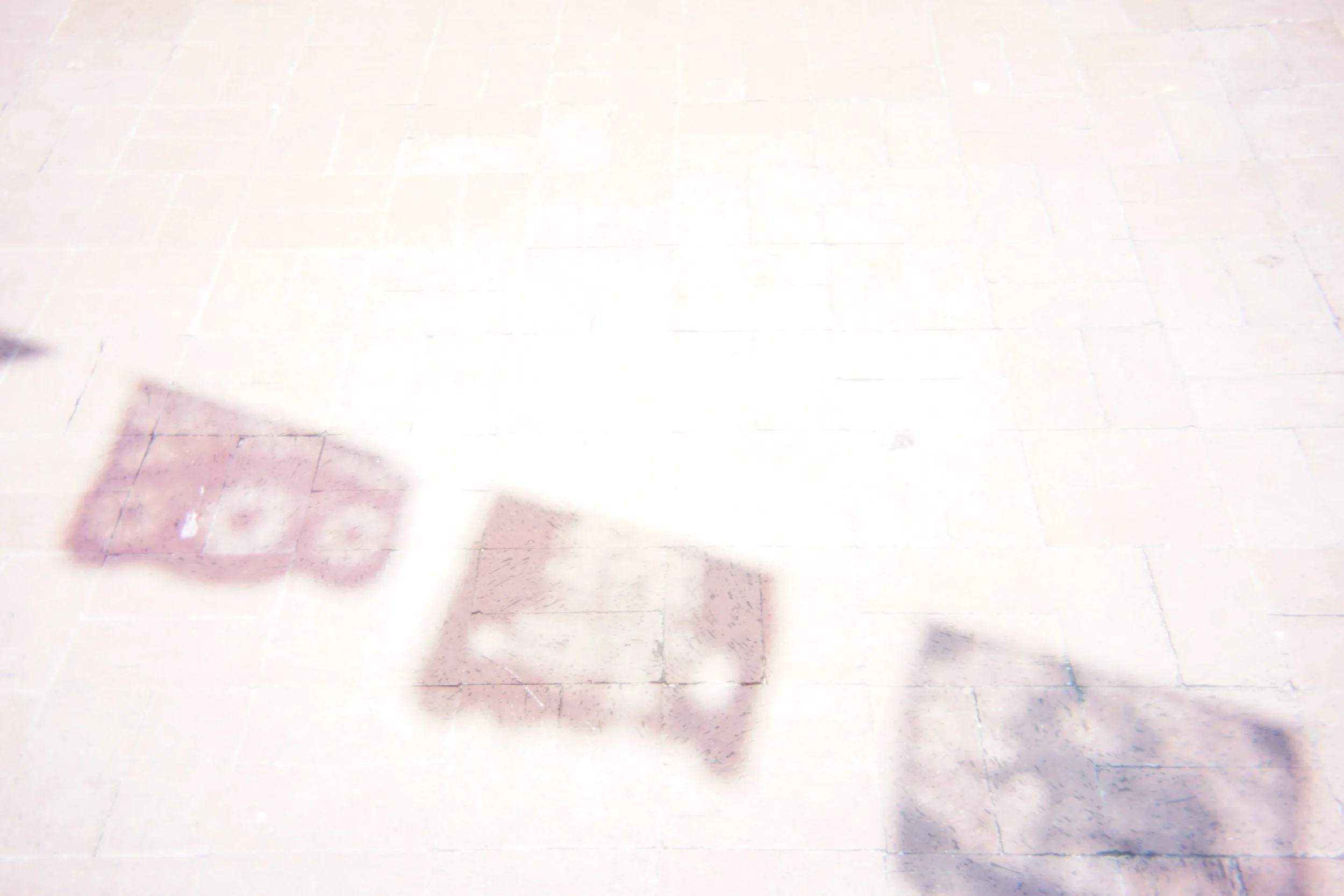
1. Photographs from artist and dharma teacher Jessica Angima (who is also a dear friend of mine) are continuously inspiring me in the way she captures what she sees. So much of Angima’s photography feels textural and vivid. The shadows in Angima’s photograph inspired me to look more keenly at the shadows all around me. I was in the historic Market Square in downtown San Antonio, where rows of papel picado were strung over the main walkway. Exposed to the midday sun, bearing down. I looked down to see the shadow of the papel picado was a soft impression, which was in stark contrast to the blaring colors when looked at directly. I left the photograph here, though very overexposed, unedited.
Digital photograph by Jenna Martínez
2. Though it’s been twenty years since I left my home state of Texas, it remains the biggest touch point in my writing. During my most recent visit home, I felt the place where I was born and raised seep into my photography. Having been trained as a photojournalist two plus decades ago in Austin, I have swung to the opposite side of the spectrum, preferring as little technical control as possible. After working for a daily newspaper in my early 20s, I put down the camera for a long stint, opting for writing over everything. But in recent years, the call to take photographs has gotten louder. I took all the digital photographs here using a repurposed disposable point and shoot lens for my digital camera. I love the limitations of the point and shoot lens. These are the first images from it.
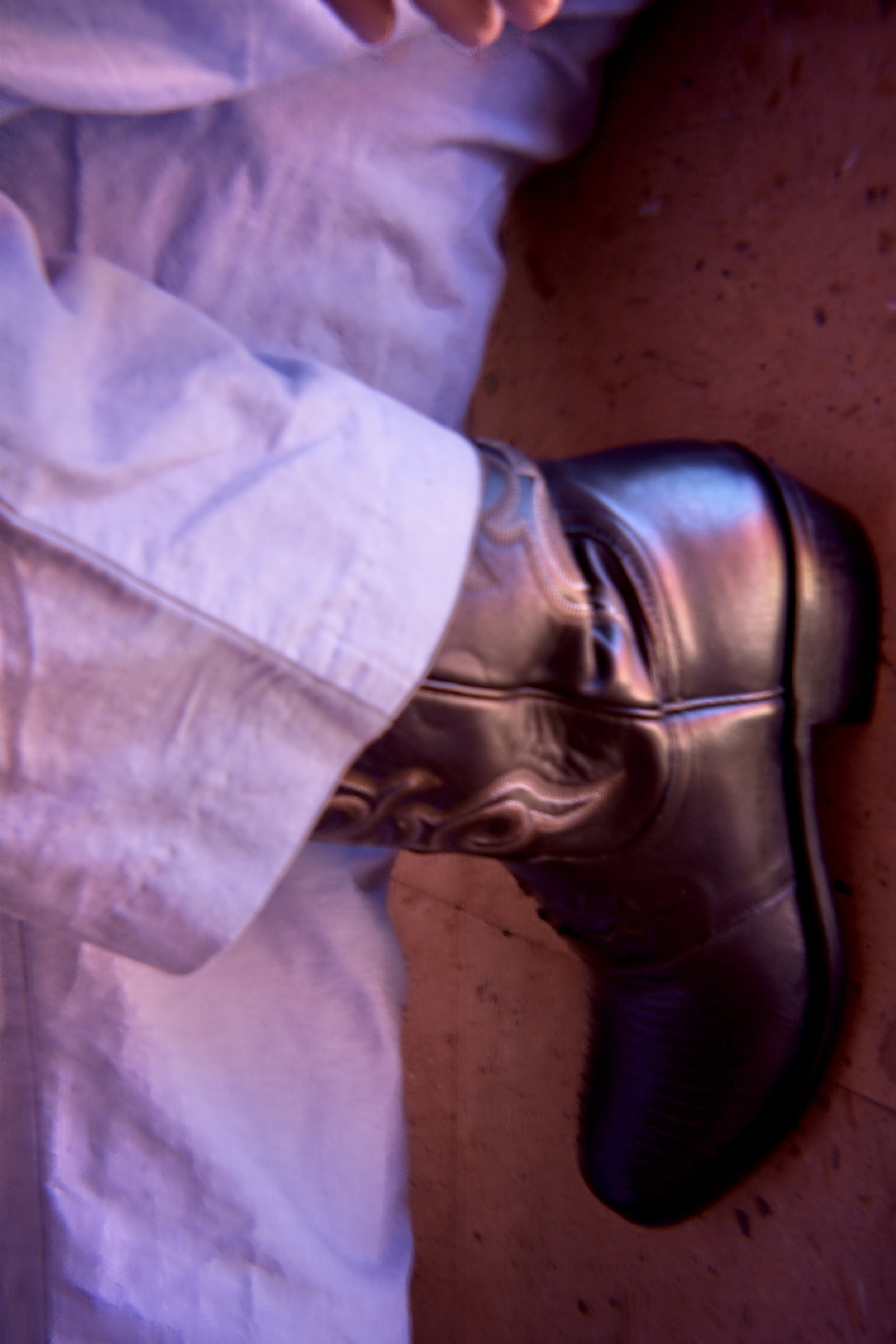
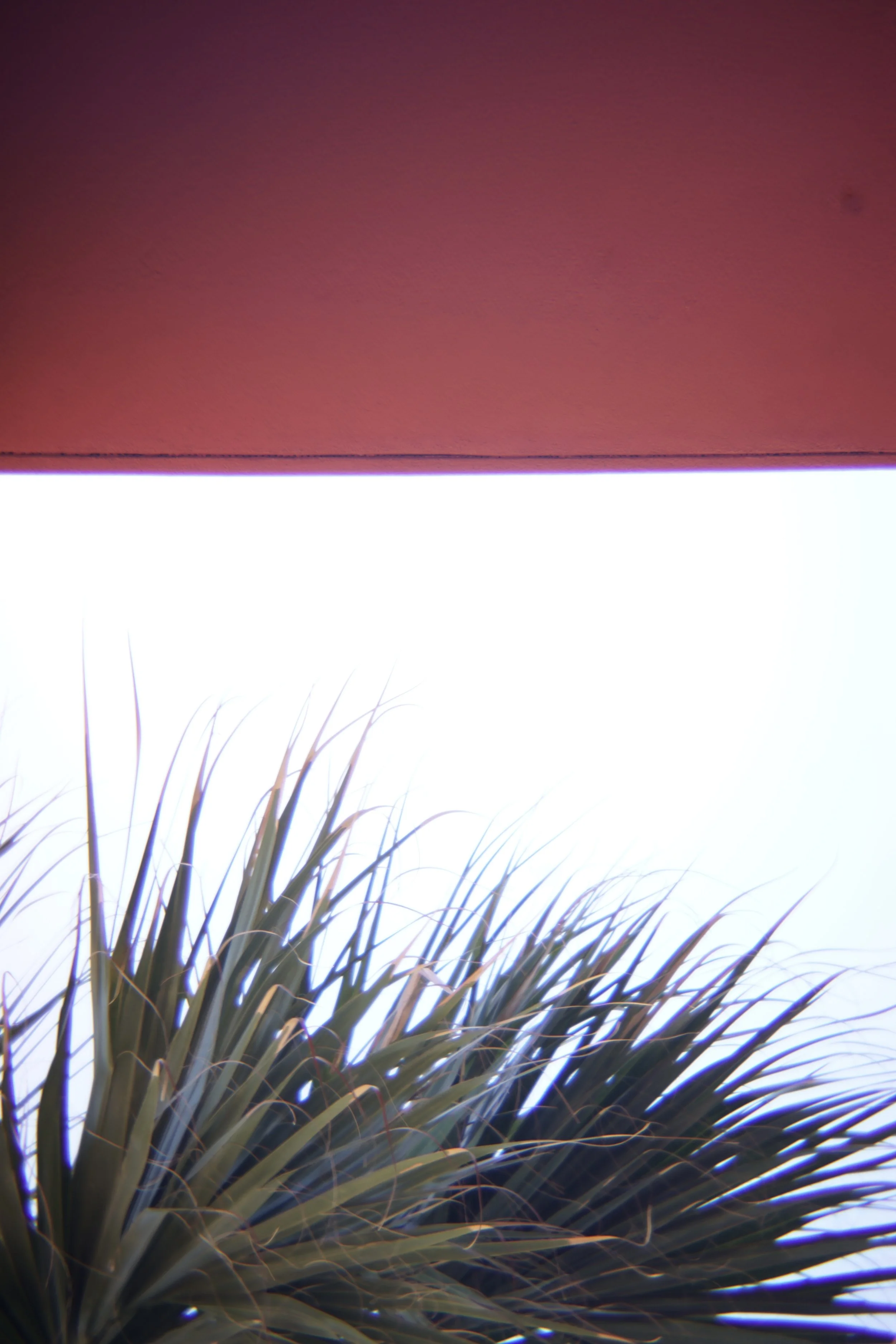
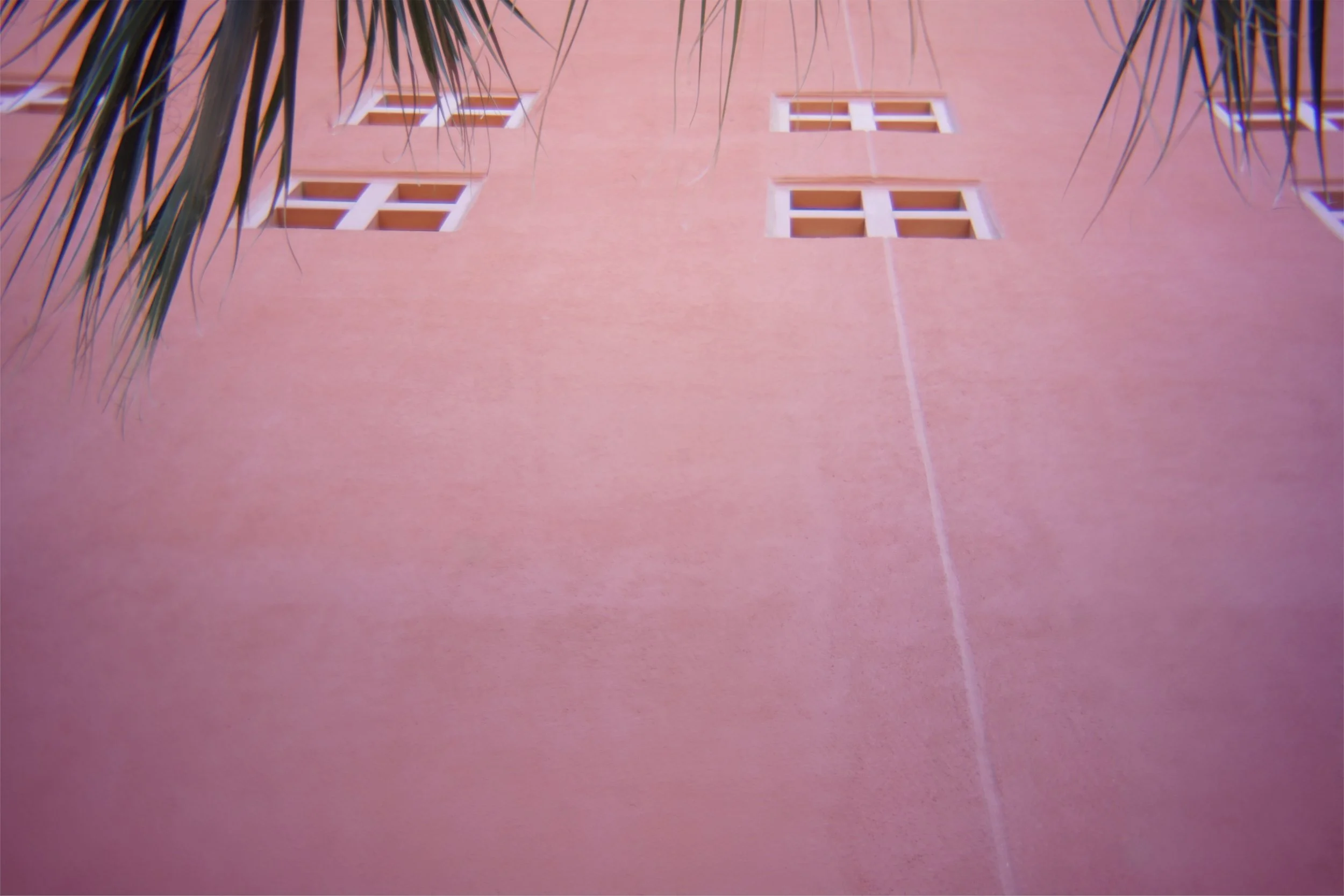
Digital photographs by Jenna Martínez
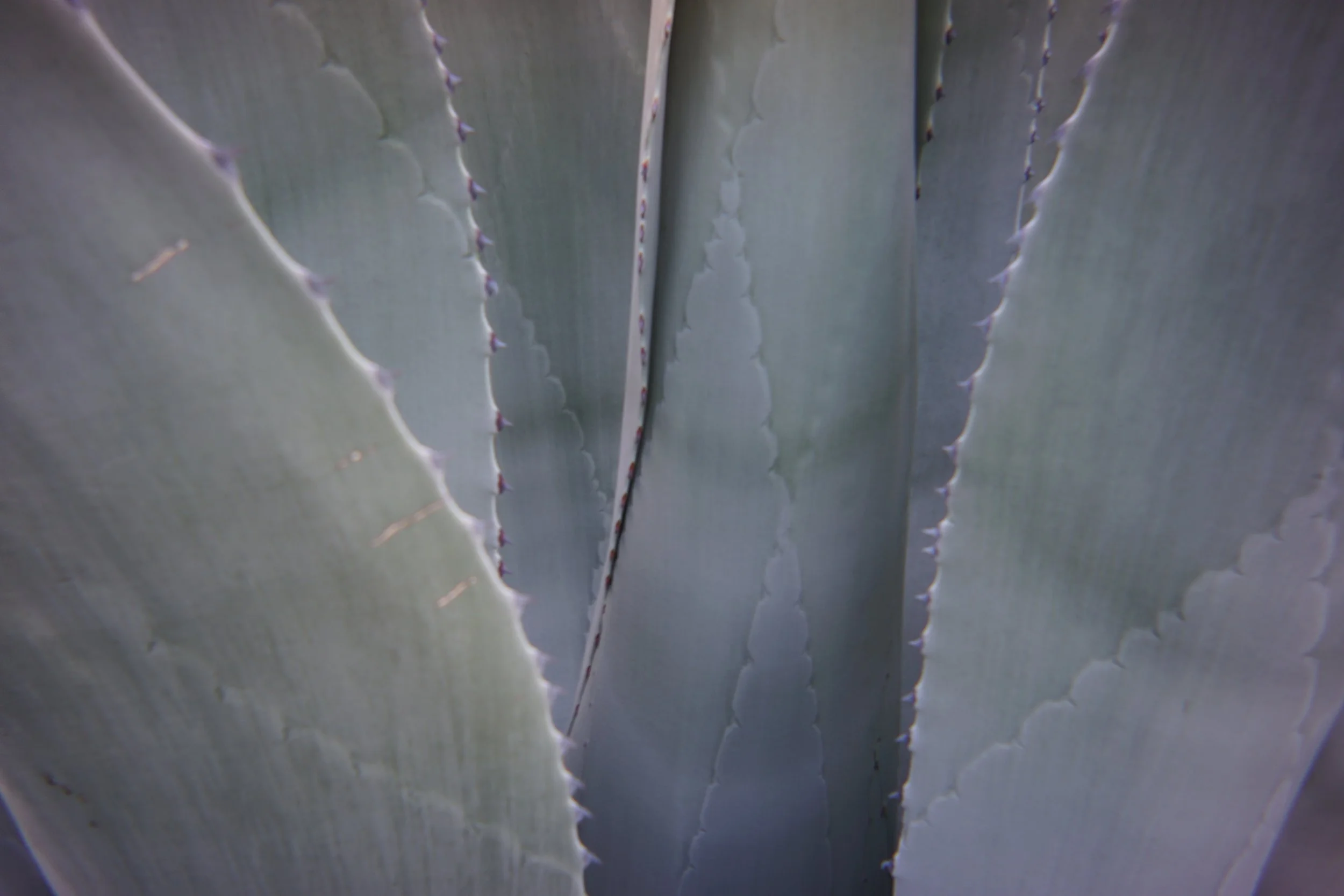
Digital image photograph by Jenna Martínez
3. In the last few years, we lost most of the matriarchs in my family. My grandmother, Maria, and my great tia Spitfire have since passed, and only my mother remains. All of them grew roses. My mother’s, grown in the shade of her house, somehow survives the blazing heat. During my trip, I was compelled to make a mirror image of my palm. Something that can hold and reflect. I stopped at Herweck’s art supply store in downtown San Antonio, close to the hospital I was born in. There I bought mirrored vinyl and made a cut out of my open palm. I carried it around San Antonio like an extra appendage. In this Polaroid, I put it in my mother’s roses. I love shooting Polaroids. No focus nor shutter speed to adjust, just a single, temperamentally exposed image. Each one is entirely unique and imperfect.
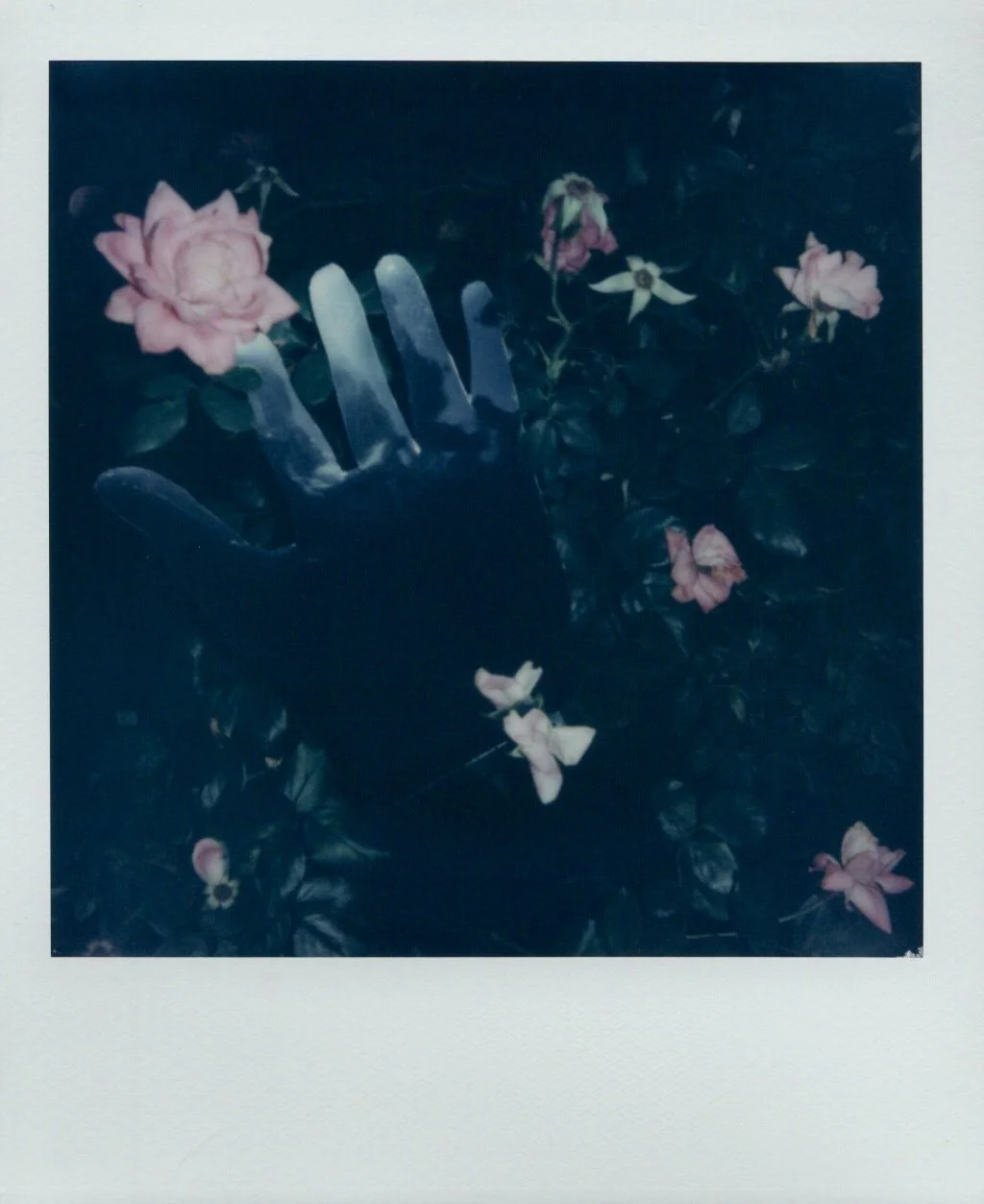
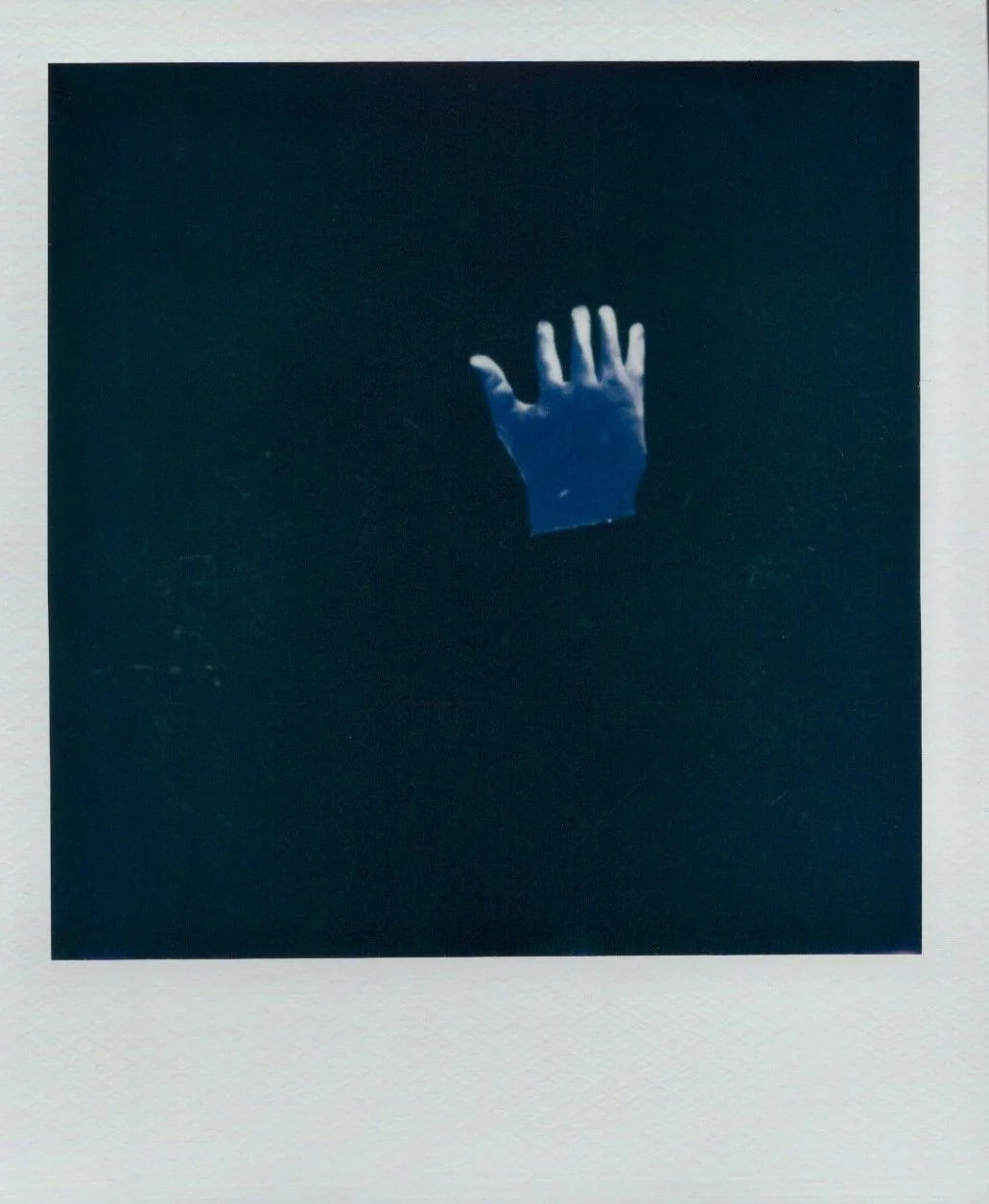
Polaroid film by Jenna Martínez
4a. Always, I am struck by the fluidity of a border that has been the site of both violence and beauty. A line that a hundred years ago, my family crossed back and forth over with card manifests in hand. I took my lover there, and we waded in the river. My notes from my time at the river/border at Big Bend became a poem, “Glossary of Terms,” named after and in the same style as the poem of the same name by Franny Choi. My poem was published in April in the first edition of F*ck M A G Azine, a local and free zine created by Corey Miller and Michelle Duke. Miller describes it as a word of mouth free zine full of protest poems featuring local writers. We created this to give a vocal outlet in a time where people can feel helpless. We hope to strengthen community while people in office hope to divide us.
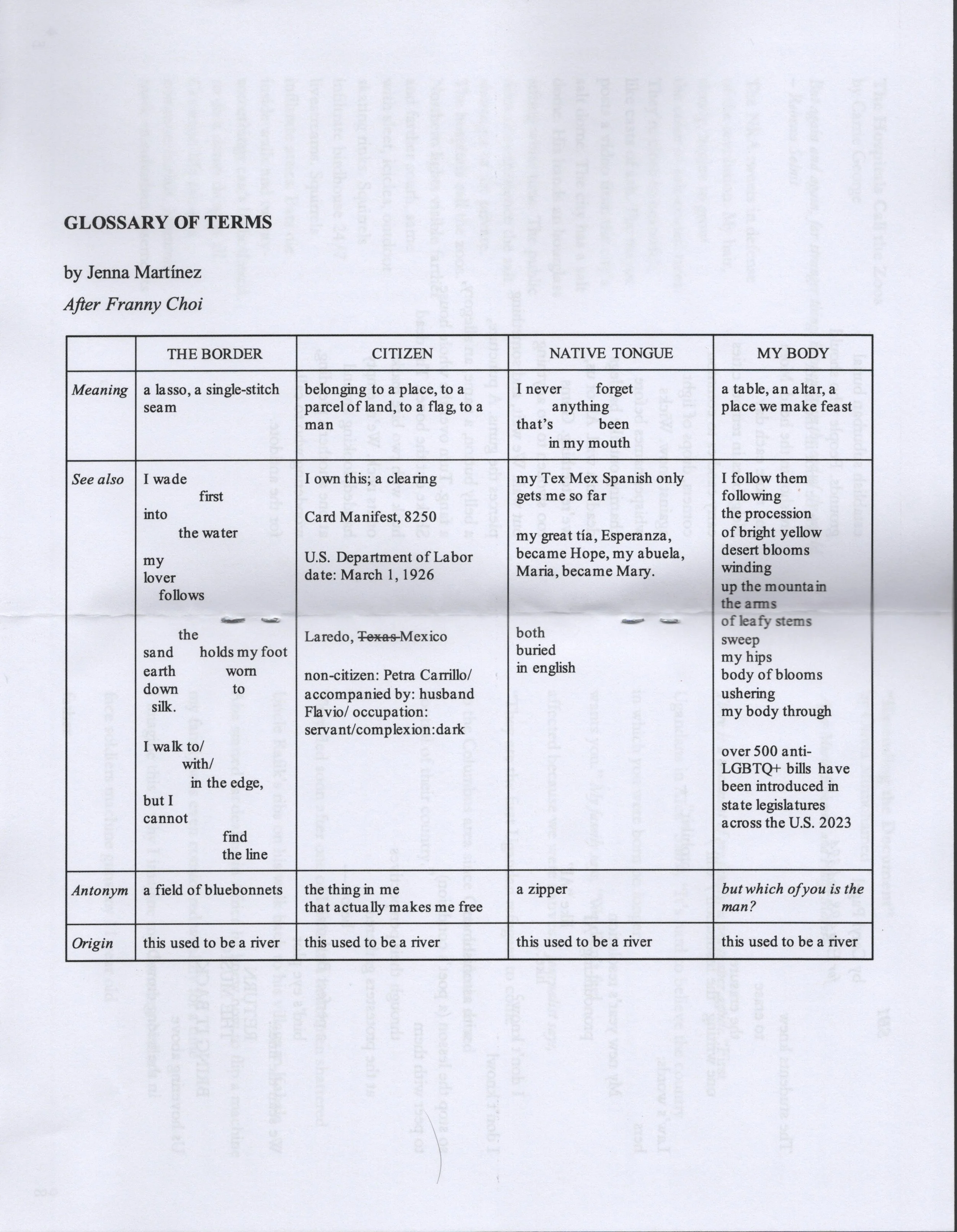
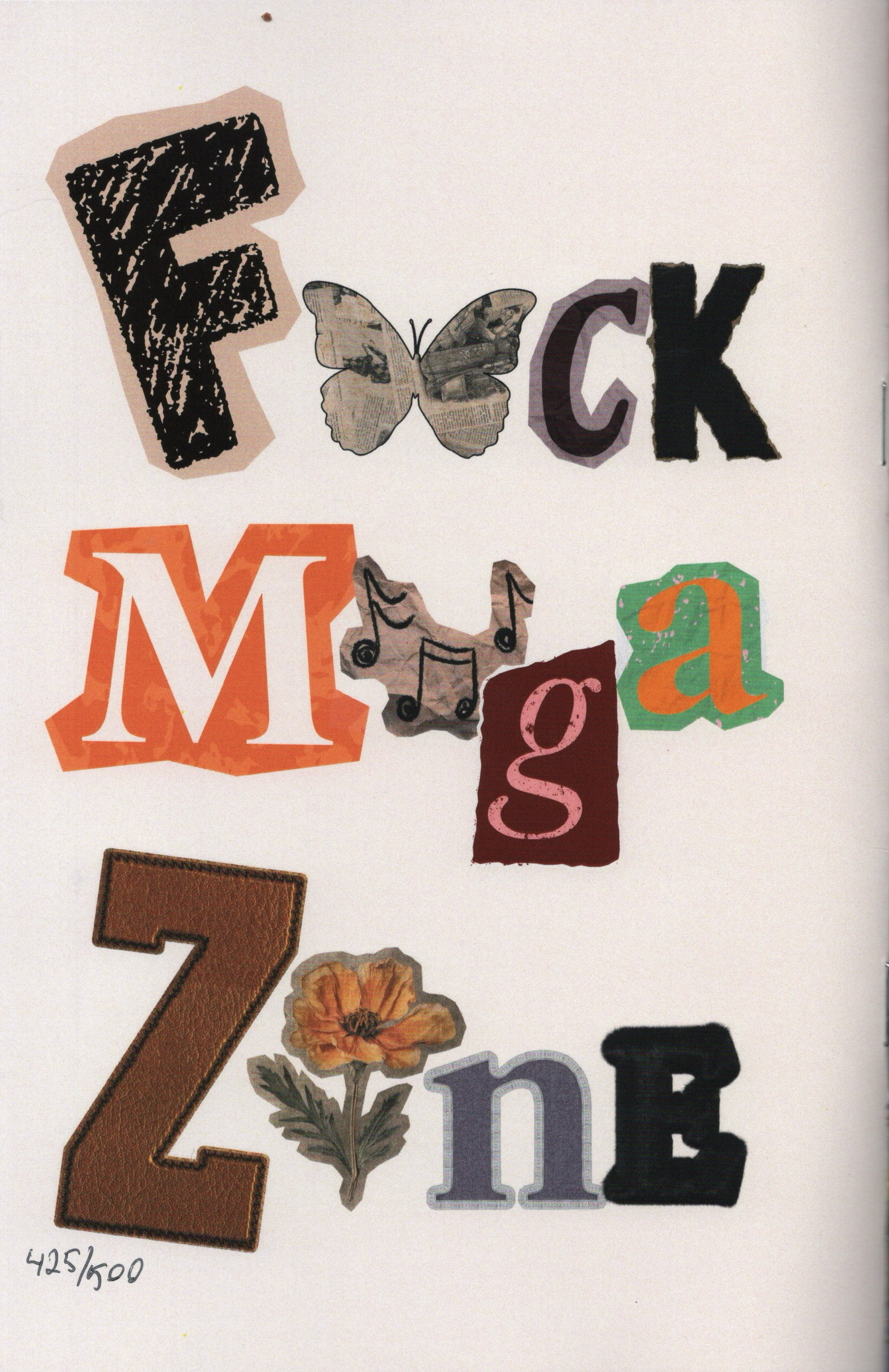
Glossary of Terms by Jenna Martínez and back cover of F*ck M A G Azine
4b. I altered a photo my lover took of me in the river and erased my body. I drew a cartoonish blue river in its place.
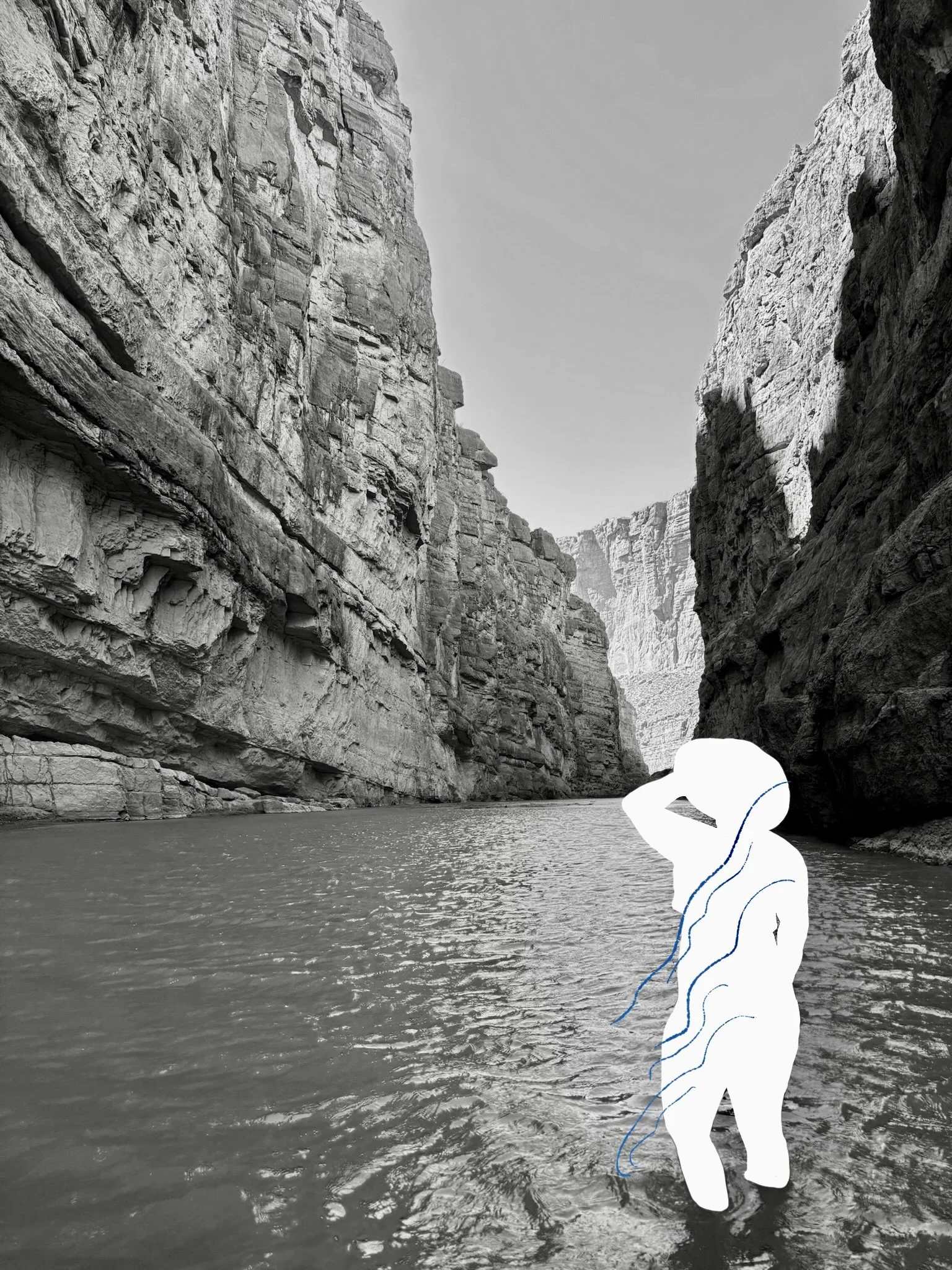
Digital image by Ryan Carvalho, edited by Jenna Martinez
5. Artist June Leaf is new to me. Like many women, her work was overshadowed by her artist husband’s work. I saw “Shooting from the Heart” just a few days before it closed. Attached to this piece were some words that made an impression on me. I designed and then risograph-printed a postcard of the June Leaf quote from the exhibition. I mailed them to my dearest artist friends. You can see my river motif drawing come up again nestled in the quote.
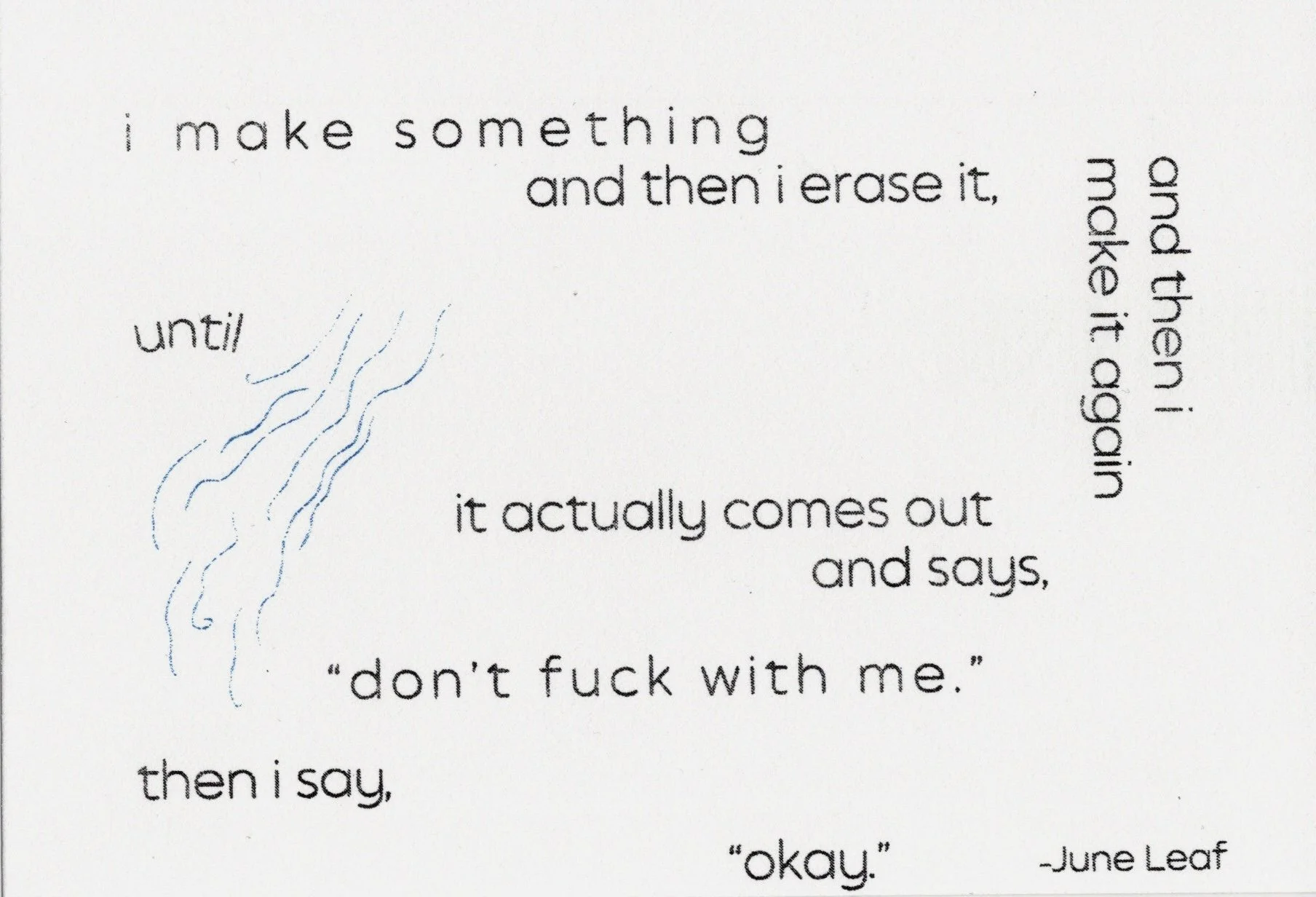
Original risograph print by Jenna Martínez printed at Zygote Press
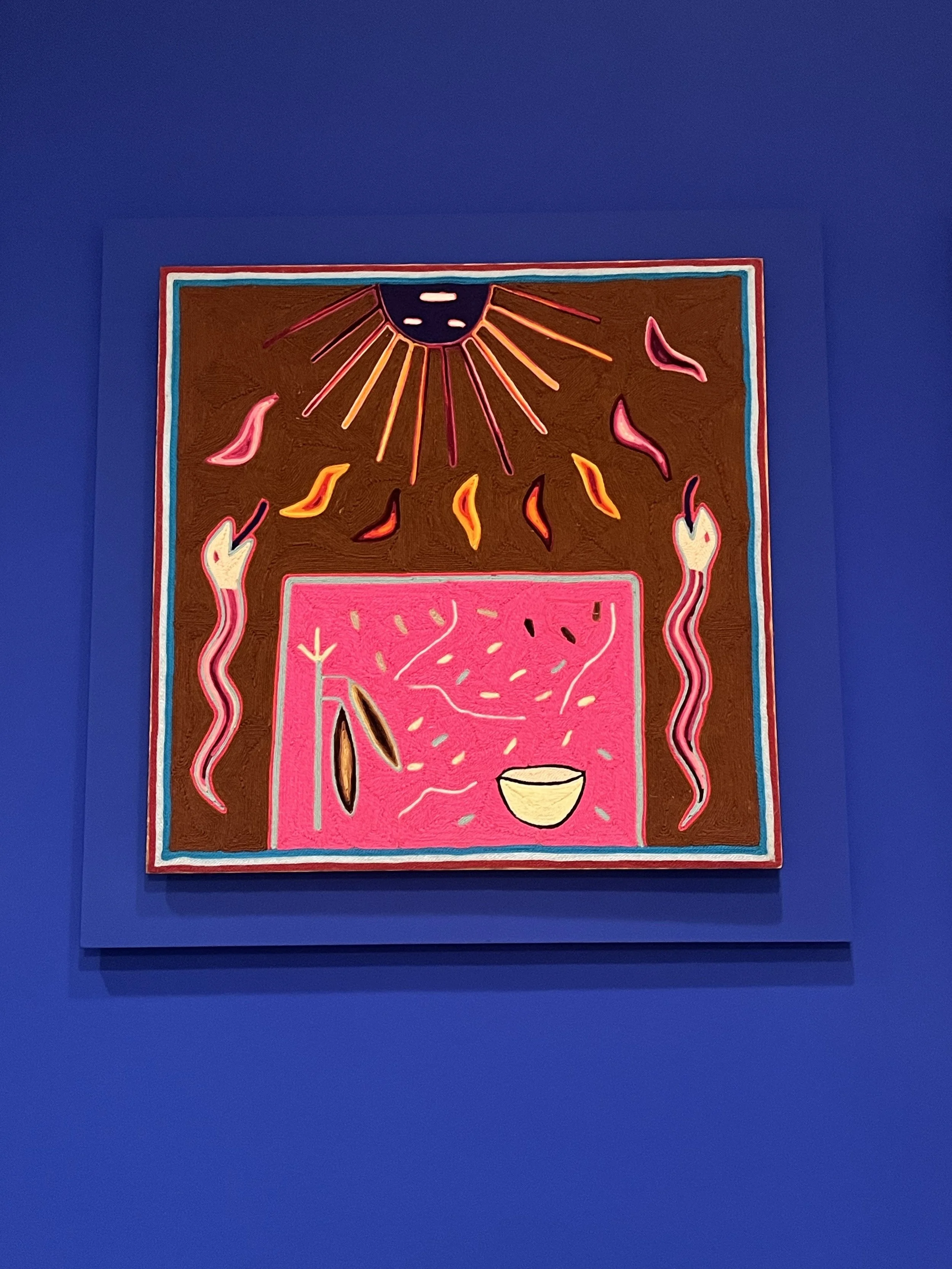
This was when the Net was Repaired by Eulalio Gonsález Martínez
6. When I saw This Was When the Net Was Repaired at my hometown art museum, I knew that I would make something inspired by it. I love the snakes looking like they’re being fed by the sun. Since 2023, I have hosted a biannual queer solstice salon to celebrate the solstices. With this art piece in mind, I drew up the invite and risograph printed it on a RISO Rz390 at a community print studio close to where I live.
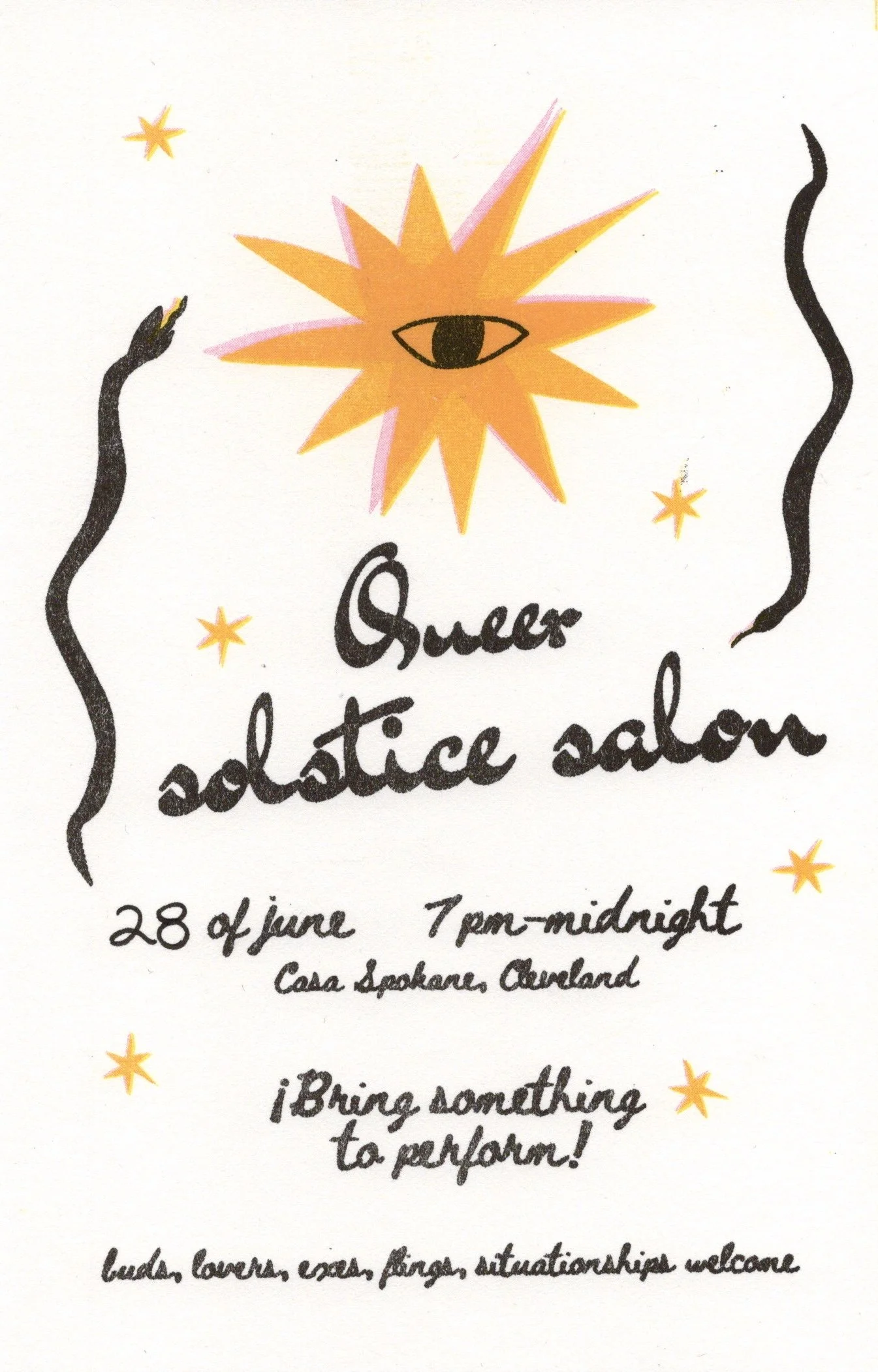
Original risograph print by Jenna Martínez printed at Zygote Press
7. This exhibition features art from 58 Latinx artists around themes of boundaries and borders and other stunning themes. I have never before seen an exhibition of this size of Latinx artists. Having grown up in a family where no one was an artist, it was not until I was in college that I met artists or really anyone who had a creative practice. The exhibition nourished the parts of me that are compelled to make something. The art rearranged my brain, and I know it will inform my art for a long time to come.
8. I taught Ama Codjoe’s poem in the free monthly poetry class at Lakewood Library this past month. I asked the writers to do a warm-up by listing all the things they have physically touched in the last few weeks.
9., 10., and 11. Poetry gives my brain varied and new language to interpret the world in. Queer poets, like Eduardo C. Corral and the contributors to JOTA, provide me a vivid and unapologetic lens to view my own queer desire through.
The Eros of reality begins with touch. There is no life without contact. –Andreas Weber
Wishing you an abundance of touch.
In eros,
Jenna
Jenna Martínez is a queer Mexican-American writer and artist. A finalist for the Jack McCarthy Book Prize and Airlie Prize, her poetry has appeared in The Kenyon Review, HAD, Shō Poetry Journal, Cleveland Scene, Homology Lit, and elsewhere. Her work has been supported by the Macondo Writers Workshop, Sundress Academy for the Arts, Literary Cleveland, and Community of Writers Workshop. Originally from San Antonio, Texas, she lives in Cleveland, Ohio.